

Staying connected while traveling used to be very complicated and unreliable. Fortunately, today it’s a whole different story. Thanks to modern technology, it’s now very easy to be online no matter where you are in the world. In this article, we’ll share the smartest options for staying online during your travels. Following along with these simple tips will ensure you can navigate, communicate, and explore with confidence.
Compare eSIM Plans Before You Fly
Before hopping on your flight, you should compare eSIM plans so you can get the one that’s right for your situation. For example, look at coverage maps to ensure that you’ll have strong service in the cities you’re visiting, and check reviews from other travelers so that you can get a better idea of how well that specific eSIM plan worked for them. Other things to keep in mind include data limits, speed restrictions, validity period, and price.
Avoid Airport SIM Card Price Markups
Physical SIM cards are still around, but they are not as popular as they once were. However, if you still plan on buying a physical SIM card over an eSIM, be mindful of where you get it from. There are sometimes kiosks at airports that sell SIM cards, but they tend to put them at above average prices. If you can, purchase your SIM card ahead of time so that you don’t overpay for it.
Use a VPN on Public Wi-Fi
There’s plenty of free WIFI that you can use in cafes, hotels, restaurants and other public places. However, this doesn’t mean that this is always the safest option. People can steal your sensitive information when you connect to the internet on public networks, but there is a way to help protect yourself. Turning on your VPN before connecting to the internet while traveling helps keep you safe, and allows you to browse the web without worry.
Bring a Power Bank for Long Travel Days
Your mobile device is more than just a phone nowadays. Rather than just being something that you can use to communicate with people, your phone is now a boarding pass, map, translator, and so much more. Though the more you use your device, the quicker the battery could die. To make sure that this doesn’t happen to you, bring a power bank along so that you can charge your phone on the go, ensuring that you don’t have to worry.
Know Emergency Numbers in Each Country
When traveling aboard, it’s important to keep in mind the local emergency contact information in case something happens while on your trip. Not every country uses the same emergency contact number, which is why you’ll want to look it up and store it in your notes app. The last thing you want is to have an emergency situation happen, and not have the right contact information. Being prepared for the unexpected is always a good idea, and will give you some peace of mind.
Monitor Daily Data Usage
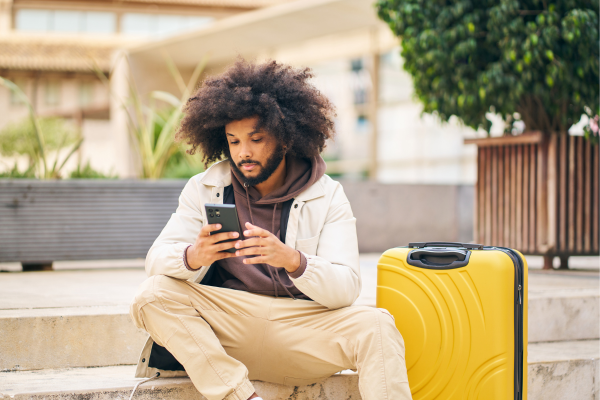
Some plans only come with a certain amount of data that you can use, and if you go over that amount, you could be charged a lot of money. Additionally, running out of data can cause major issues, including slow speeds or not being able to access the internet altogether. Keep a close eye on how much data you’re using daily, so that you don’t have to worry about running into any problems while traveling internationally.
Use Mobile Hotspots
If you’re traveling and WIFI isn’t available, but you still need to find a way to connect your laptop or tablet to the internet, try using a mobile hotspot. You can typically use a mobile hotspot where you have cellular coverage, which is helpful if you can’t seem to find anywhere offering wireless internet. You can also sometimes connect more than one device to your hotspot, which is useful especially when traveling as a group.
Download Offline Maps and Essential Apps
Something to keep in mind is that there could be poor service in some areas. This means that you may not be able to access your maps and other important apps on your phone. This is why you should always take screenshots of any information that you may need, such as the address of your hotel. This way, you’ll be able to have the photos of this information as backup.
Be Prepared For Unexpected Events
There may be times when you are in an area with no WIFI or phone service available. This can happen, especially when you visit small towns or rural areas. If you know that you’ll be traveling somewhere with poor service, it’s best that you prepare ahead of time. Send a message to your friends and family and let them know where you’re going and that they may not be able to reach you. If you know that you’re going to need to be online, we suggest looking for a local coffee shop and checking if they have WIFI available.